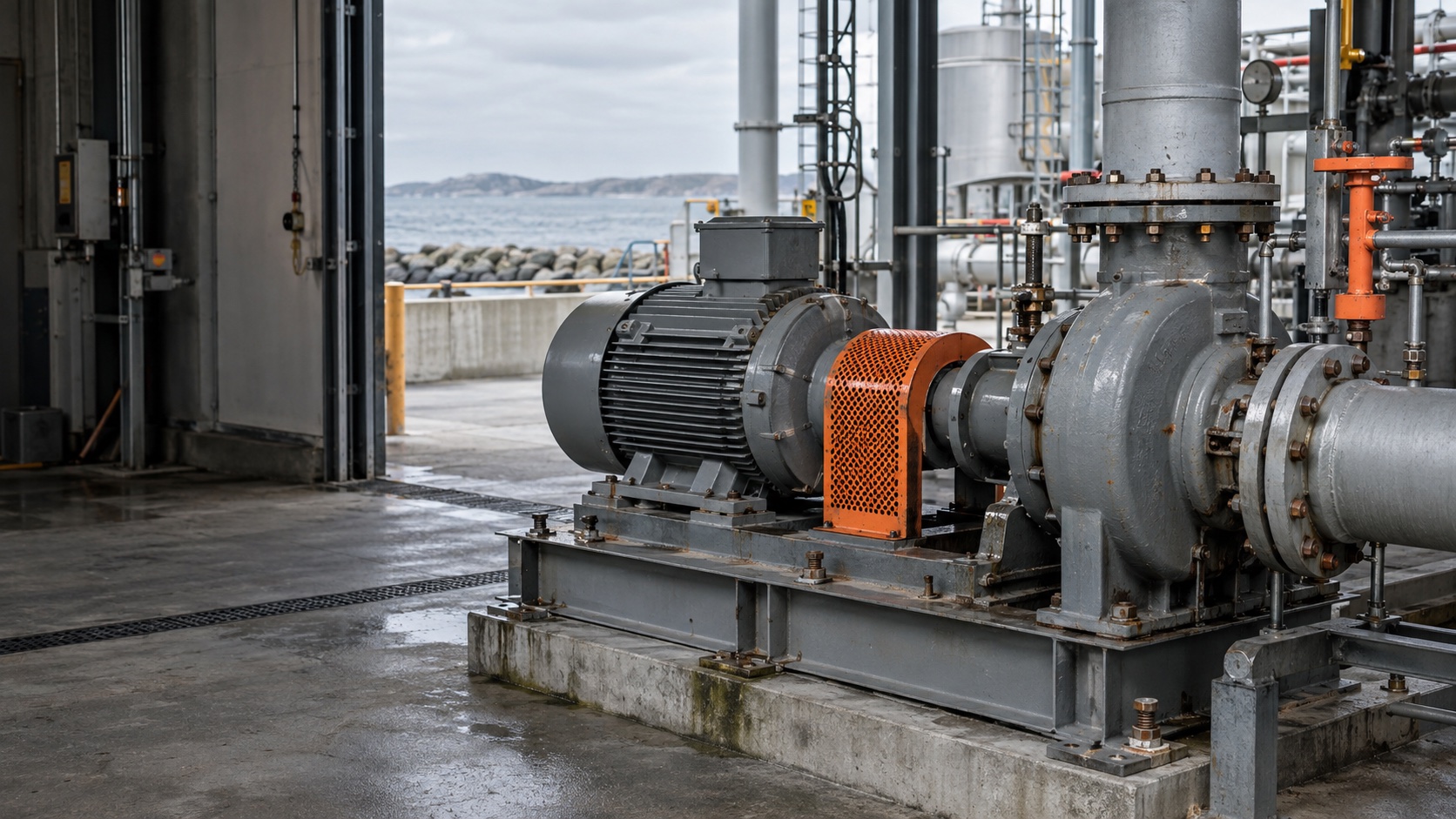
Make better decisions about your operations.
We connect your data, knowledge and systems so you can see what needs attention, understand why and decide what to do next.
Start with the work
you need to do.
Choose the role closest to yours. See a familiar question, the information behind it and a relevant example of our approach.
Which equipment needs my attention?
Connect condition reports, operating history and maintenance. See the reason for a flag and follow the action through to completion.
An equipment priority with evidence and an owner.
Explore the solution
Lubricant Analysis
See the exampleEquipment, energy and data
are increasingly connected.
As operations electrify, decisions about production, storage, charging and capacity need to be considered together. The same applies to the information behind them.
Our starting point is practical: help teams understand the assets they run today, compare their next investment and make better use of the systems they already have.
Explore energy planningA closer look at what we do.
Working demonstratorLubricant Analysis
Evidence-backed oil-analysis interpretation.
Explore the demonstrator Engineering case study
Hybrid Energy on Mobile Sites
Getting the most from generator, solar and battery power.
Read the case study Use case
Port Energy and Capacity Planning
Planning today’s shifts and tomorrow’s investment together.
Read the use caseSee the situation.
Understand the answer.
Engineering models, machine learning and language models each have a role. We bring them into dashboards, comparisons and workflows that people can inspect and use.
Our glass-box approach to AIA wear trend needs review
Sample readings are shown with units, test methods and the equipment’s history. The analyst can open the source record.
The foundation of high-performance culture.
High performance depends on people having the information, time and shared purpose to do their best work. Operational intelligence helps create those conditions.
Technology alone cannot change a culture. It needs clear ownership, thoughtful workflows and a commitment to giving teams the confidence and autonomy to act.

Democratising data for better decisions
Put timely, trustworthy information in the hands of the people closest to the work. When teams can see performance, understand the evidence and recognise the impact of their actions, they have a stronger basis for decisions and ownership.
Reducing the administrative burden
Connect fragmented systems and automate repetitive entry, reporting and follow-up. Give experienced people more time to investigate problems, apply judgement and improve the operation. The technology should make room for their expertise.
Driving continuous alignment
Make priorities, measures and responsibilities visible as work changes. Connect everyday decisions to the organisation’s goals, with feedback that helps teams adjust and learn together. Everyone should understand how their contribution supports the wider purpose.
Bridging the gap between silos
Bring frontline teams, specialists and leaders around a shared view of the operation. Keep context and decisions accessible across shifts, functions and locations, so people can solve problems together and carry learning from one team to another.
Through Northstar, we build with your team: agree what better looks like, test it in daily work and make ownership part of the design.
Put it into practice with NorthstarThe Northstar Framework®
Agree the purpose and who owns the outcome. Show a working version early and refine it with your team. Our delivery framework builds shared understanding, adoption and improvement into the work.
Explore NorthstarValue-led discovery
Work with the people doing the job to understand the problem, the baseline and what a useful improvement would look like.
- An agreed problem and owner
- A baseline and success measures
- A clear first scope
Security, data access, integration and readiness for real operation.
What would you like to work better?
Tell us about a decision, a process or a piece of equipment. We’ll help you work out a useful next step.